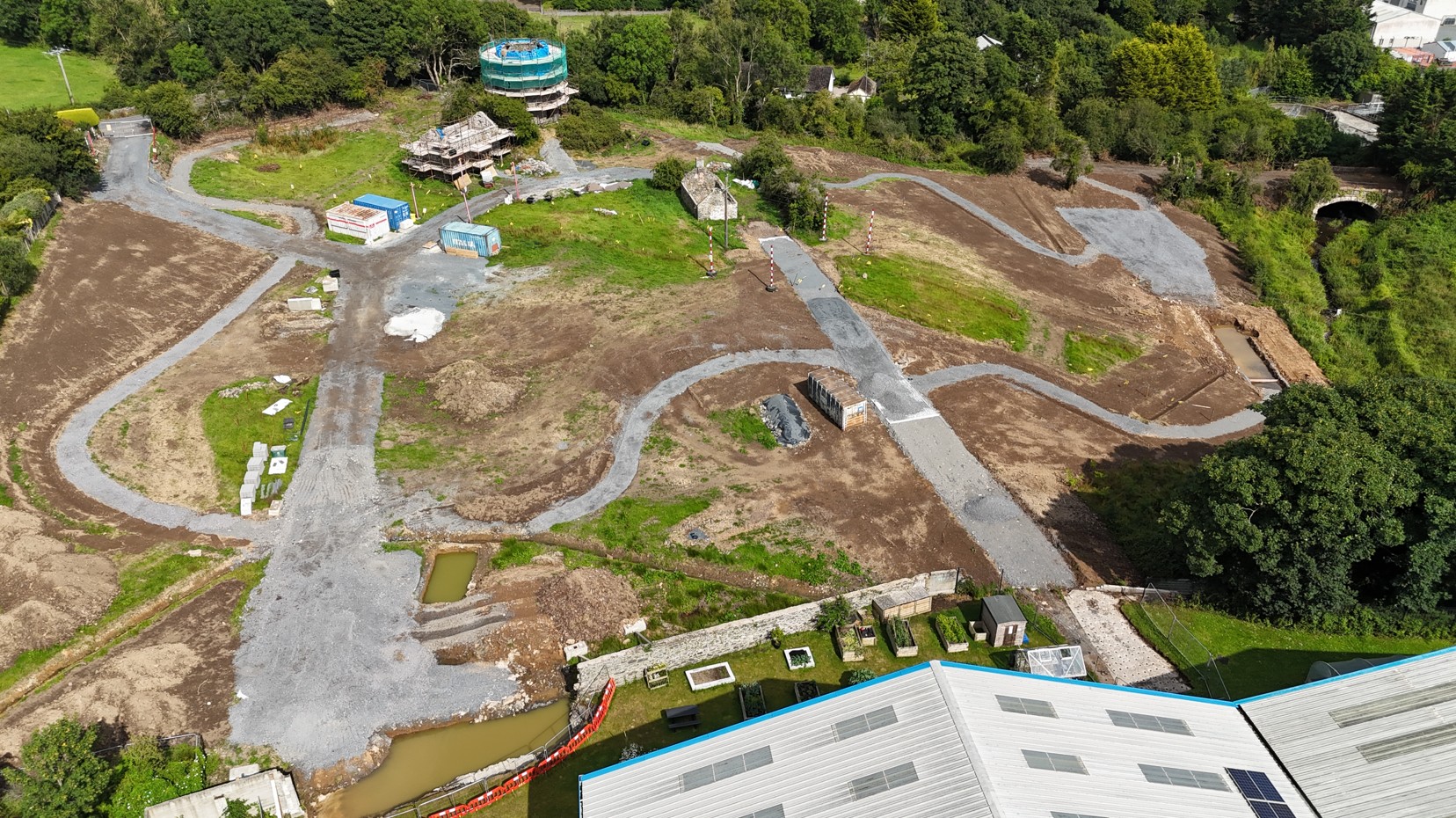
Windmill Park
A Landmark Community and Heritage Project
Windmill Park
Windmill Park represents far more than the creation of a new public green space for Saintfield. It is the result of vision, generosity, heritage preservation, and community determination coming together to create a lasting asset for future generations.
THE STORY OF WINDMILL PARK, SAINTFIELD
Windmill Park represents far more than the creation of a new public green space for Saintfield. It is the result of vision, generosity, heritage preservation, and community determination coming together to create a lasting asset for future generations.
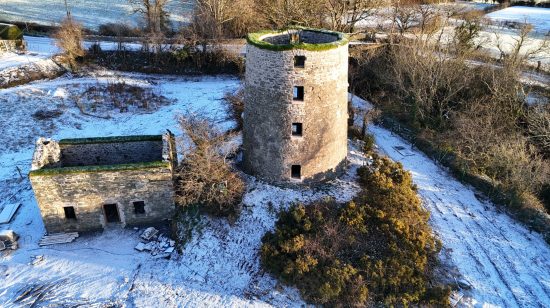
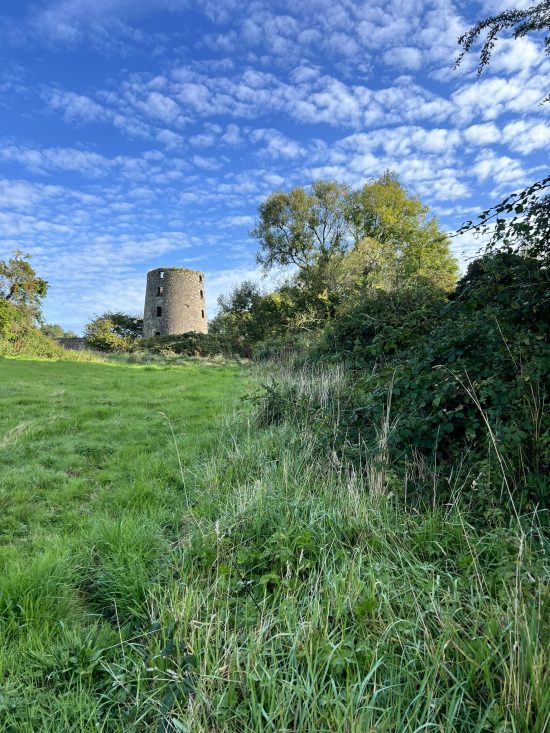
The story of Windmill Park is deeply connected to the history and identity of Saintfield itself. The site takes its name from the historic windmill which once stood prominently overlooking the area — a reminder of a time when windmills played a central role in rural life throughout Ireland and Britain, grinding grain and supporting local agricultural communities. Traditional windmills became widespread across Europe from the medieval period onwards and were once defining features of many rural landscapes.
The Generosity of David Moffett
For many years, the land adjacent to Saintfield Community Centre remained underutilised, despite its enormous potential to provide a shared community and heritage space for local residents and visitors alike. Recognising this opportunity, Saintfield Community Association developed an ambitious vision: to create a high-quality parkland environment that would celebrate the village’s heritage, improve biodiversity, encourage recreation and well-being, and provide a focal point for community life.
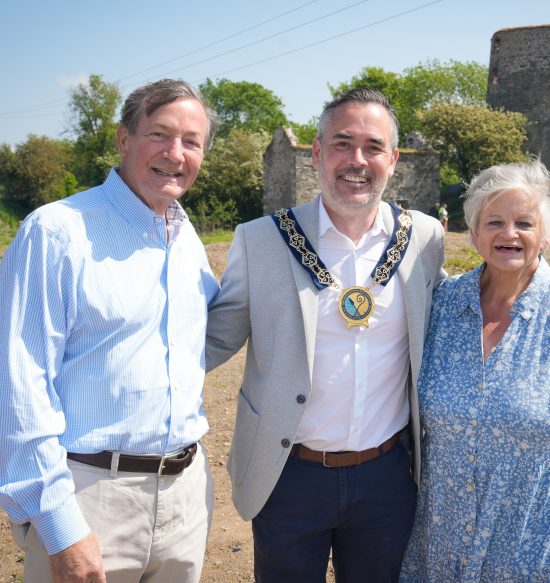
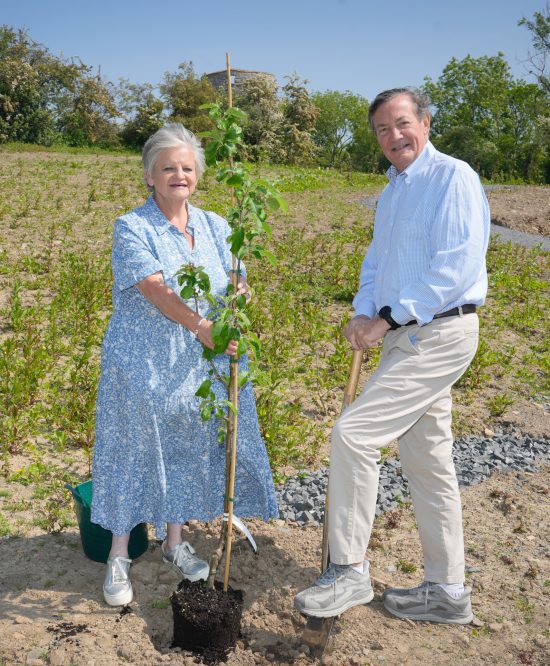
A defining moment in the project came through the extraordinary generosity of Florida based businessman David Moffett. A keen genealogist, David’s ancestors originated in Scotland and moved to the Saintfield area in the seventeenth century, establishing a homestead in nearby Leggygowan from 1680.
In 2016 David reached out to the Saintfield Heritage Society, came to visit the village the next year and subsequently asked if there was anything he could do to help the village – in Windmill Park terms, the rest is history. David’s financial support and commitment to them project enabled the acquisition of the land that and provided the catalyst that transformed aspiration into reality. Without this generosity and belief in the future of Saintfield, the project could not have progressed in the way that it has.
David Moffett’s contribution has been about more than funding alone. It reflects a belief in investing in community infrastructure that will benefit people of all ages — a legacy project that will continue to serve Saintfield long into the future. His support helped unlock wider confidence in the scheme and enabled additional investment and development work to take place.
The project was further strengthened through support from The Heritage Lottery Fund, whose backing recognised the importance of preserving and interpreting local heritage while improving access to green space and community facilities. The Heritage Fund’s involvement reinforced the significance of the project not only as a recreational amenity but also as a place where local stories, heritage and identity can be shared and celebrated.
Today, Windmill Park stands as an important new community asset for Saintfield — a place designed for relaxation, reflection, recreation, heritage interpretation and community gathering. The park complements the wider work being undertaken by Saintfield Community Association to strengthen community spirit, enhance the village environment and create facilities that improve quality of life for residents and visitors alike.
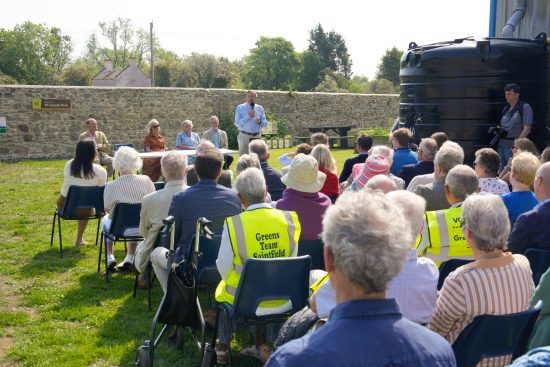
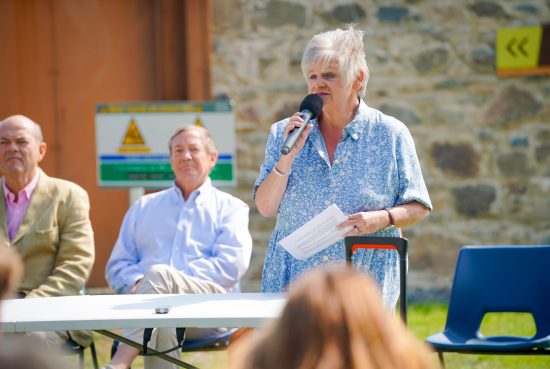
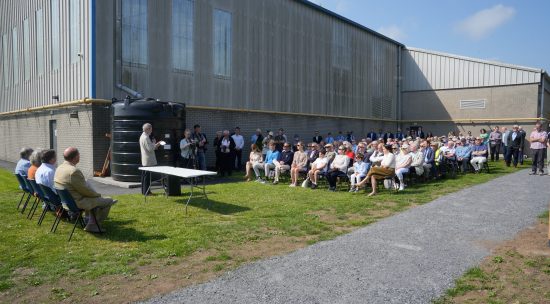
The official opening of Windmill Park in May 2026 marks not simply the completion of a capital project, but the beginning of a new chapter for the community. It is a testament to what can be achieved when volunteers, funders, local organisations and generous individuals work together with a shared vision. At the heart of the story is a simple but powerful idea: that communities thrive when people are willing to invest in places and in one another. Windmill Park is now part of Saintfield’s story — and future generations will benefit from the foresight, hard work and generosity that made it possible.
Nature and Biodiversity
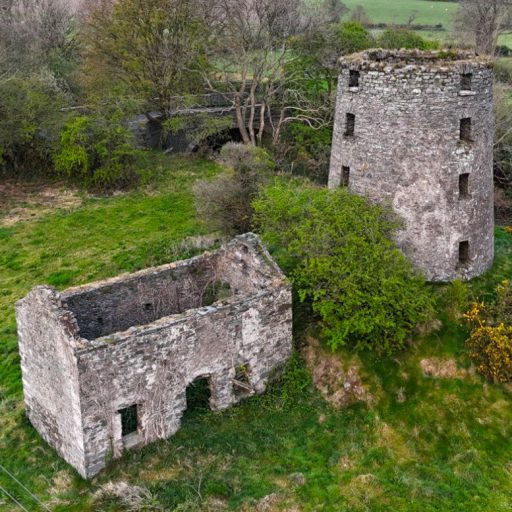
The park is a haven for local wildlife. We have planted native trees and installed boxes for bats and swifts. We also use a “Swift Caller” to encourage these rare birds to come and nest here. A bio-blitz was carried out in 2022 and 2024 to record all the species of plant, animal, bird and insect. Bioblitzes will be carried out in the future to see if wildlife increases over time.
Safety and Preservation
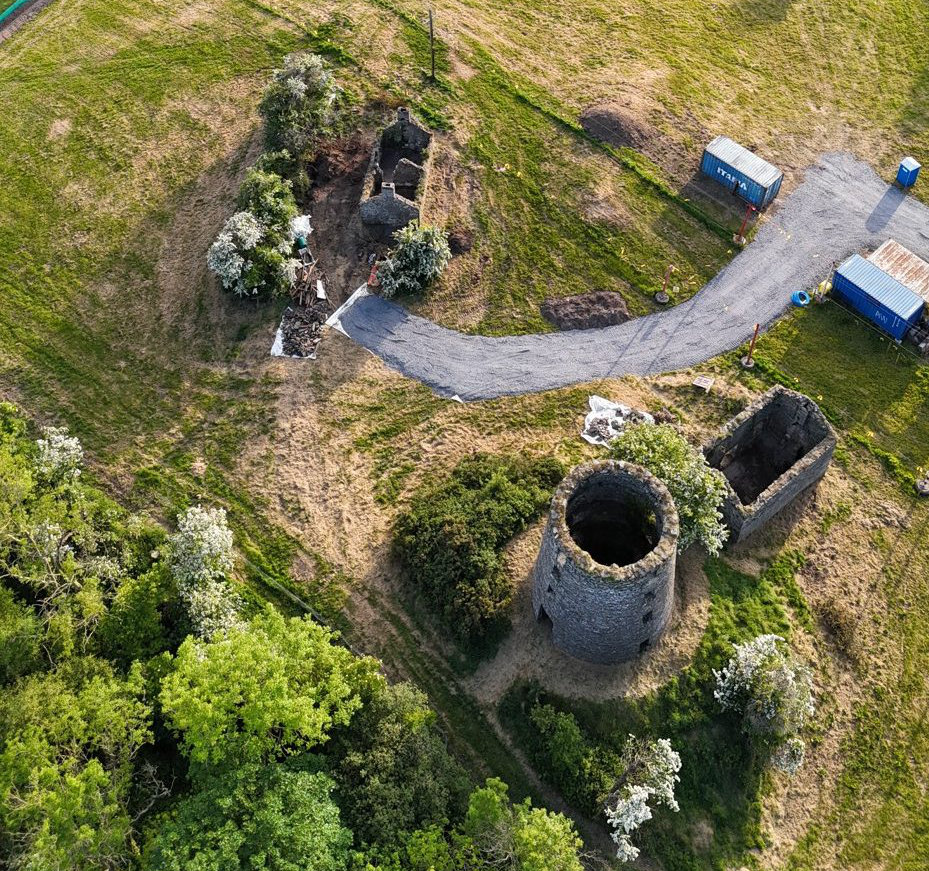
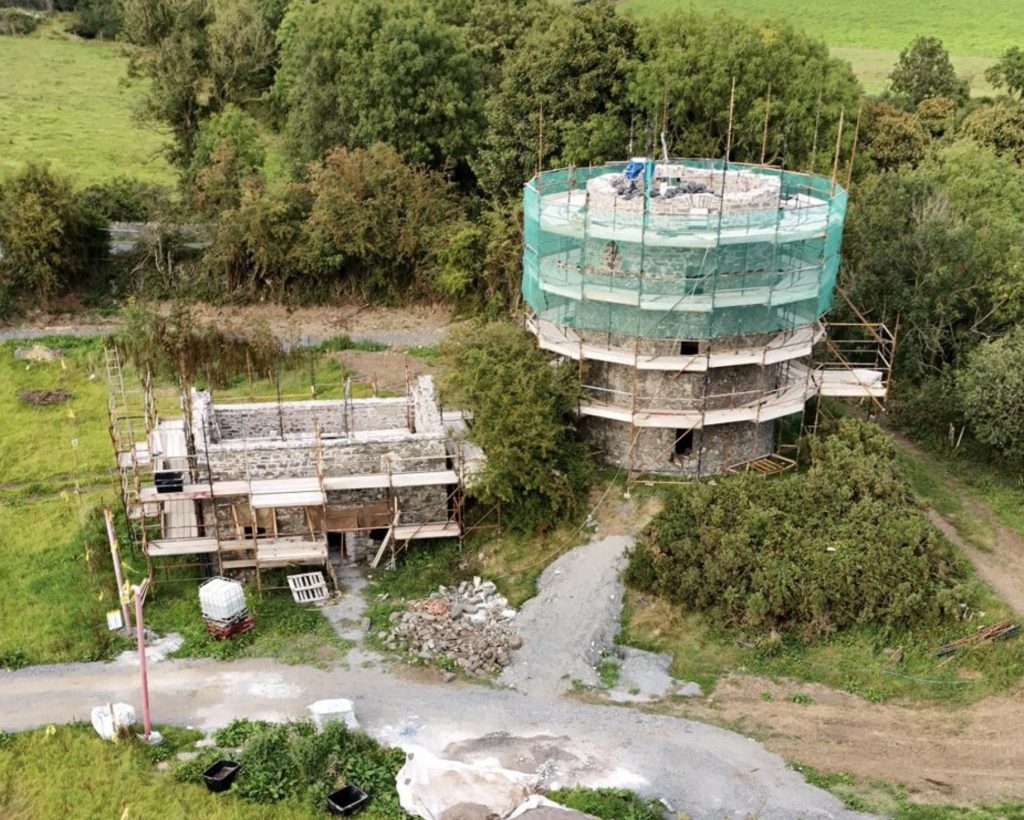
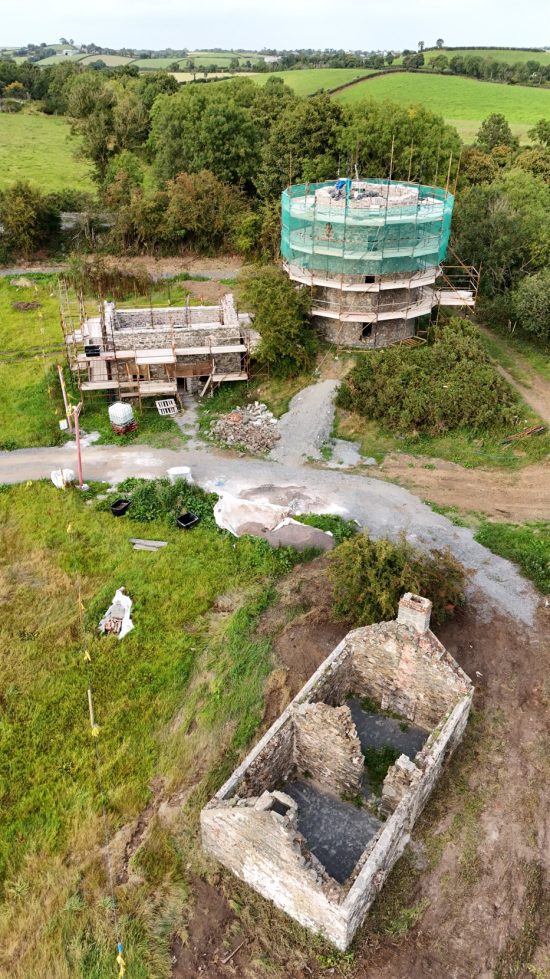
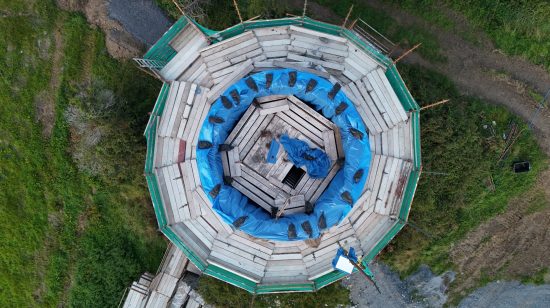
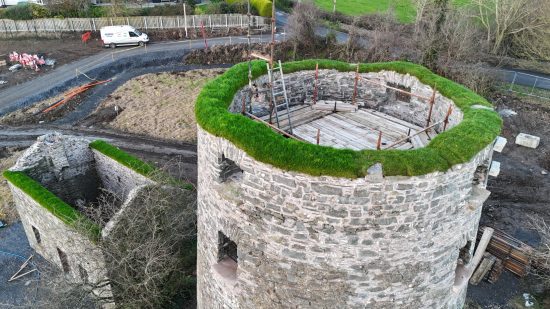
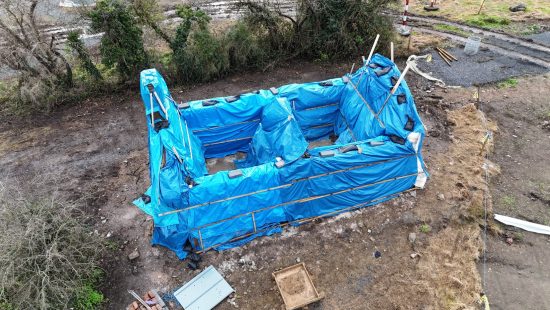
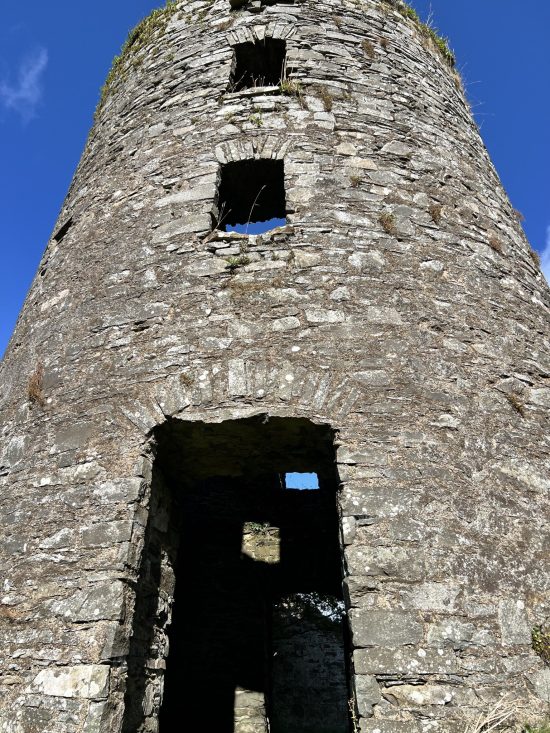
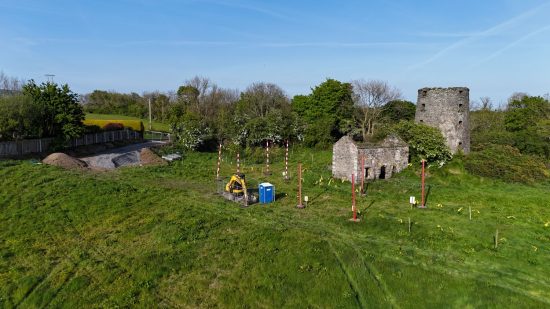
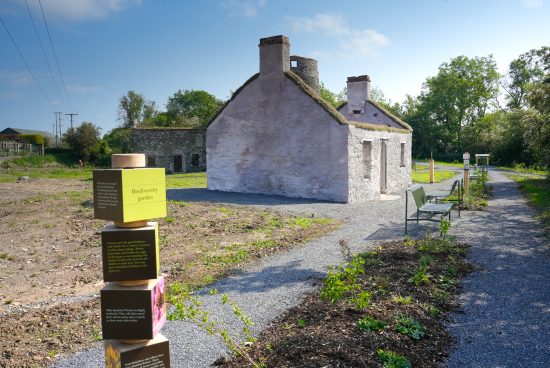
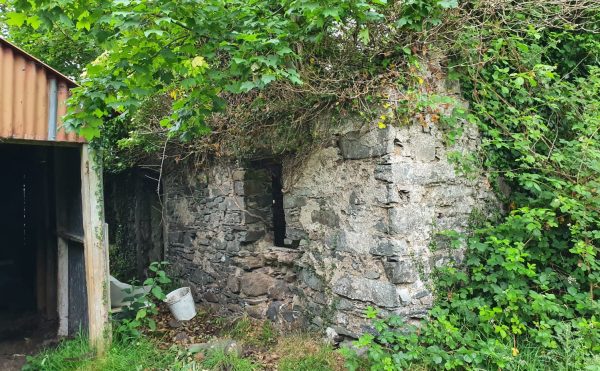
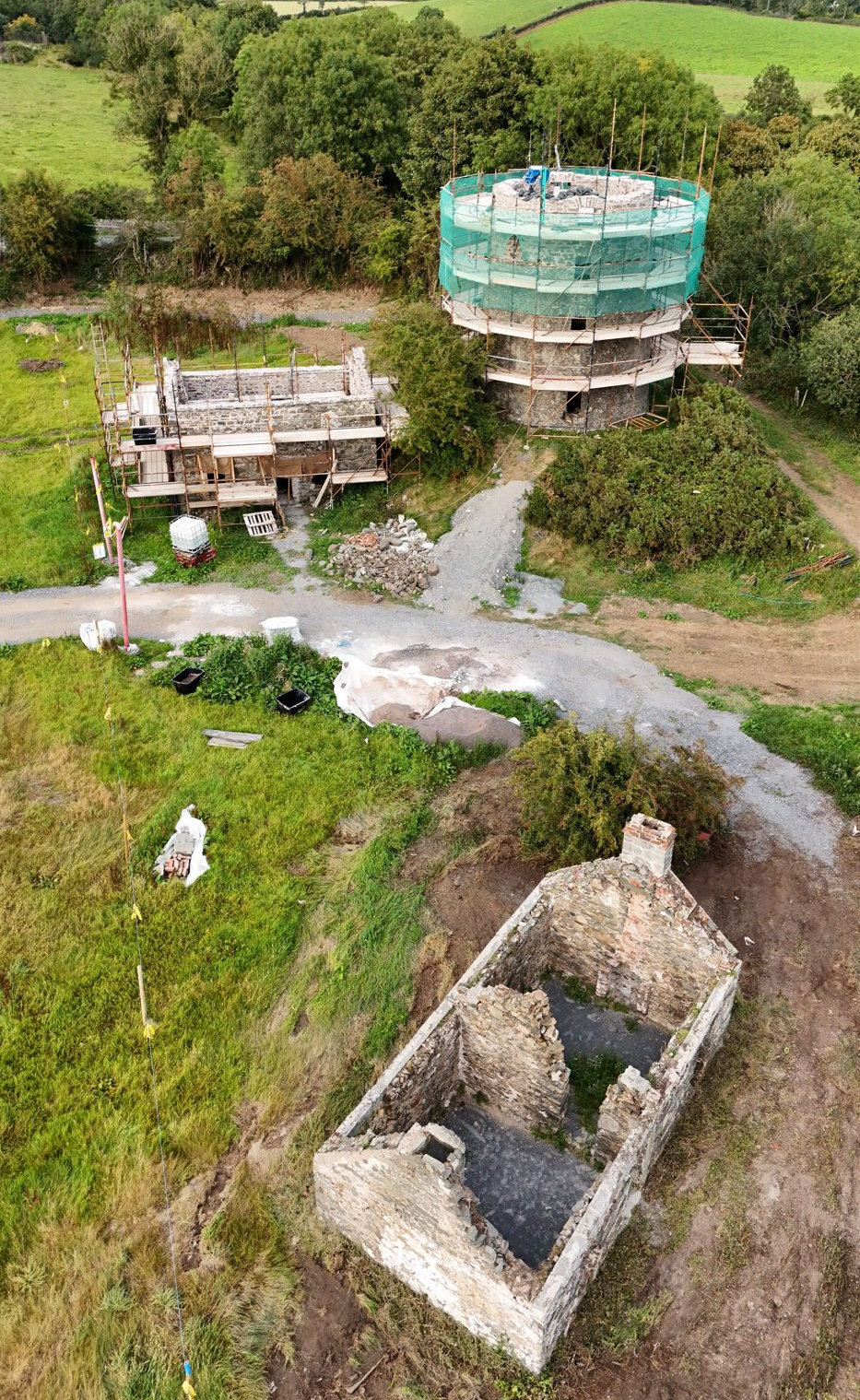
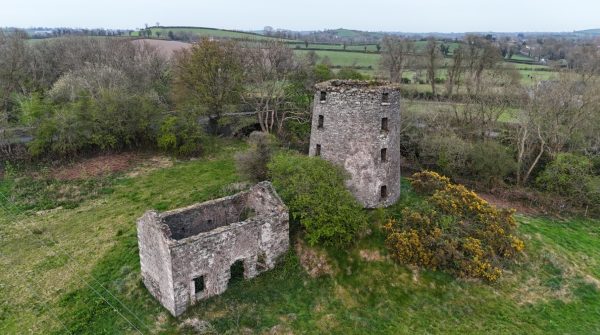
All the stonework of the three buildings and boundary wall have been repointed to make them safe for access. The windmill tower and ancillary building were repointed with lime mortar and the miller’s cottage was repointed with clay mortar, with which it was originally built. The cottage has been rendered over the clay repointing with a lime mortar render, as this was the original finish on the inside and outside of walls.
Traditional Building Skills
Repairs were done using traditional sand-lime mortar. on the windmill tower and ancillary building. Unlike modern cement, this mortar lets the historic stones “breathe,” which stops moisture from getting trapped and damaging the walls. Clay mortar was used for the repairs to the miller’s cottage. Clay mortar needs to be protected from the weather with a lime mortar rendering.
- 1745: The first watermill was in place, just downstream of the field. The natural rock sill that created the first mill pond is still visible from Windmill Road. This water mill was demolished in the 1950s
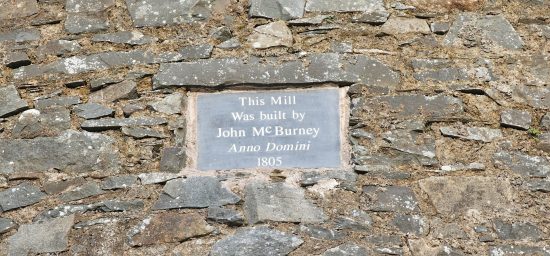
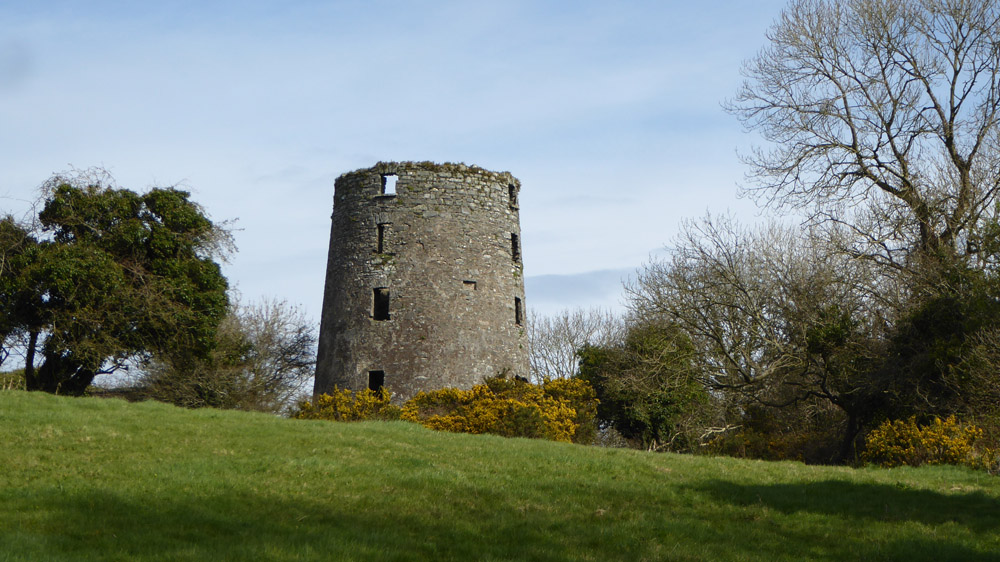
- 1803 to 1805: John McBurney built the Glassdrumman windmill, ancillary mill and miller’s cottage to grind flour and oatmeal for local families and export to feed armies in Europe and America.
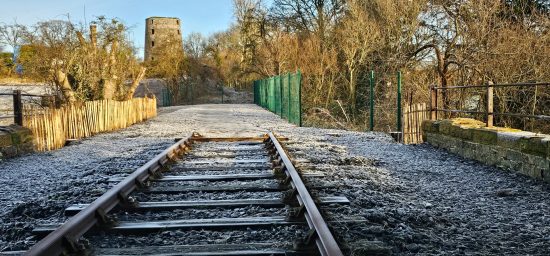
- 1858: The Belfast and County Down Railway (BCDR) arrived. The track is in a cutting where it goes under the Windmill Road and on an embankment where it crosses the Carson’s Dam River.
- 2026: Windmill Park officially opens to the public
- Late1700s - the first windmill was built on the summit of Todd’s Hill. It is now just a small pile of stones
- Mid-1800s: The site grew to include a second watermill, just upstream from the site. The mill pond for this water mill extended back to the Memorial Garden in Comber Street.
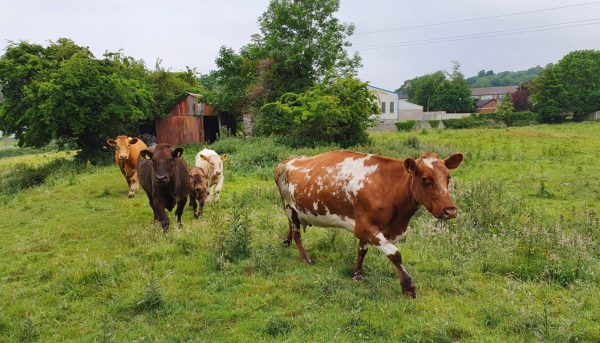
- 1950: The railway closed, and the field returned to grass and was grazed by cattle for decades.
The field was a busy hub for Saintfield’s economy for over two hundred years!
- 1745: The first watermill was in place, just downstream of the field. The natural rock sill that created the first mill pond is still visible from Windmill Road. This water mill was demolished in the 1950s
- Late1700s - the first windmill was built on the summit of Todd’s Hill. It is now just a small pile of stones
- 1803 to 1805: John McBurney built the Glassdrumman windmill, ancillary mill and miller’s cottage to grind flour and oatmeal for local families and export to feed armies in Europe and America.
- Mid-1800s: The site grew to include a second watermill, just upstream from the site. The mill pond for this water mill extended back to the Memorial Garden in Comber Street.
- 1858: The Belfast and County Down Railway (BCDR) arrived. The track is in a cutting where it goes under the Windmill Road and on an embankment where it crosses the Carson’s Dam River.
- 1950: The railway closed, and the field returned to grass and was grazed by cattle for decades.
- 2026: Windmill Park officially opens to the public
The field was a busy hub for Saintfield’s economy for over two hundred years!
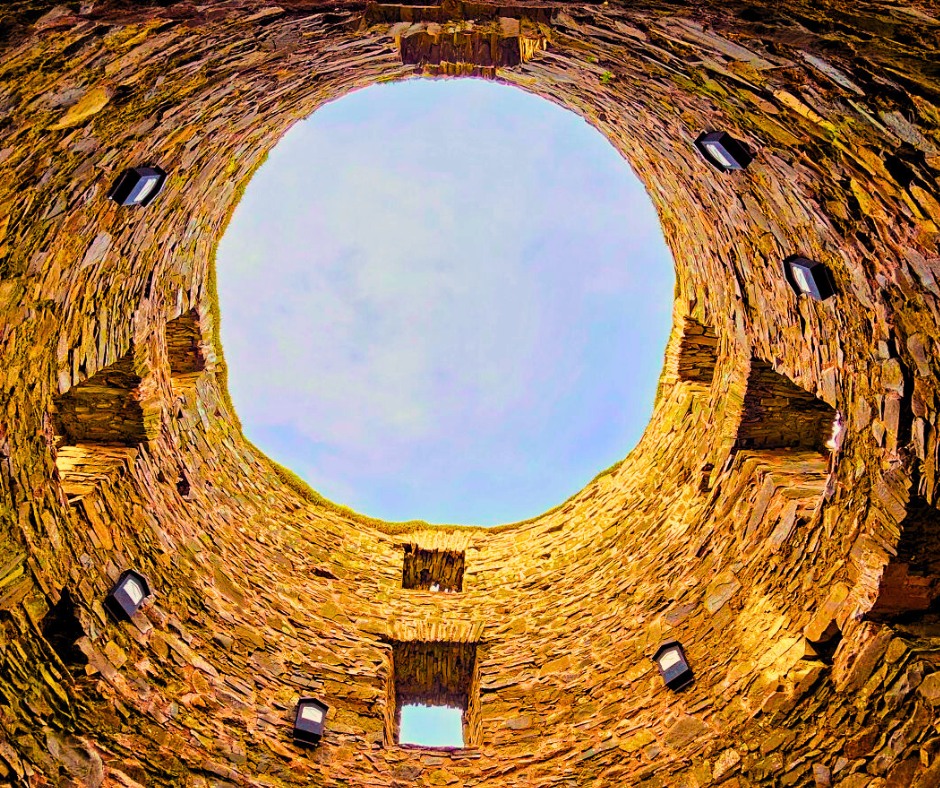
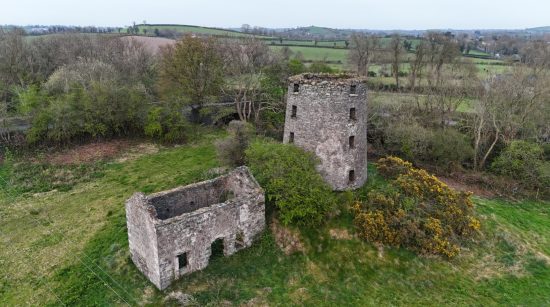
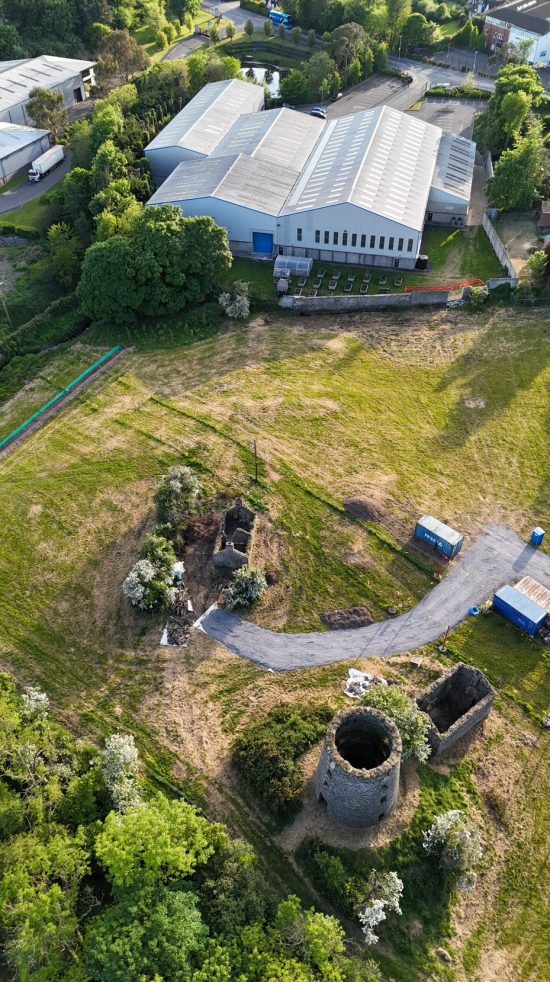
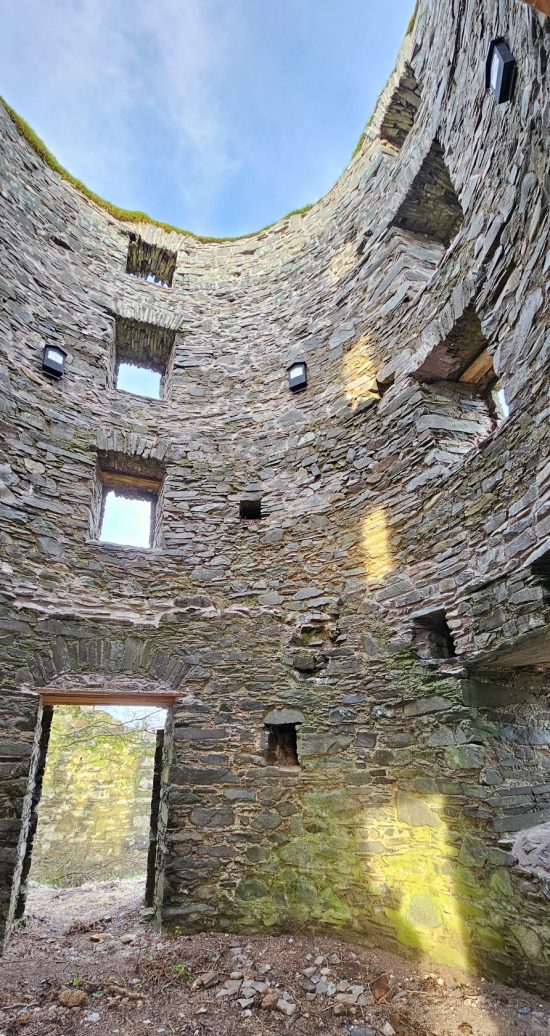
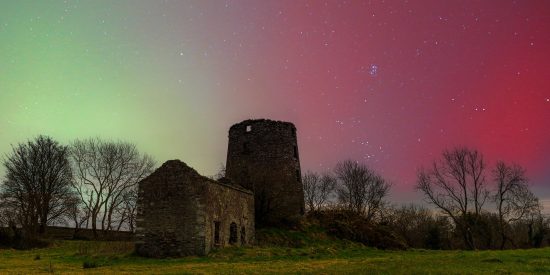
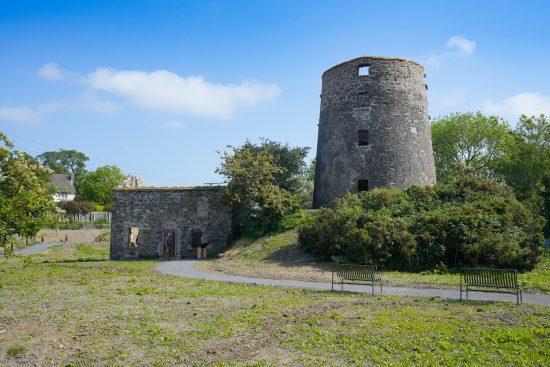
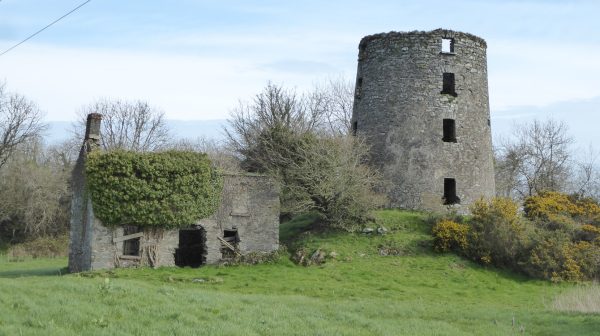
The Windmill Tower
A four-storey tower and protected Scheduled Monument. It is one of many surviving
windmill shells in Ireland, abandoned when the export market for flour and meal collapsed when the Napoleonic wars ended.
The Industrial Ruins
You can see the remains of the ancillary building and the Miller’s Cottage from the new walkway. In the past, the mill stones in the ancillary building were actually powered by a long drive shaft connected to the windmill.
The Railway View
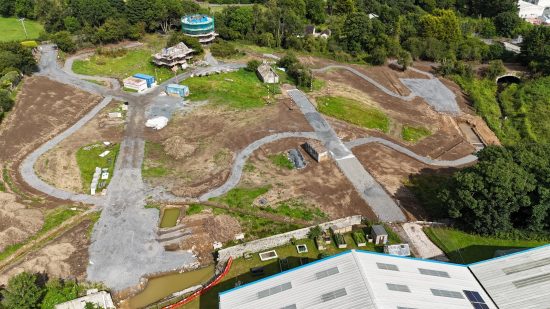
From the viewing area, you can look down at a section of the old BCDR track-bed and the cut stone bridge where Windmill Road crosses the railway.
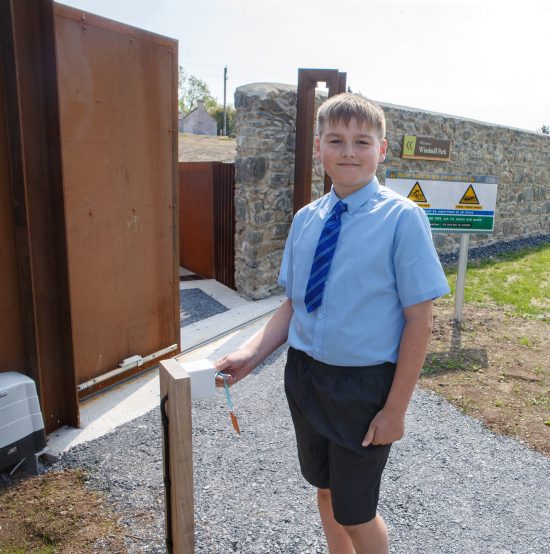
The Corten Bridge
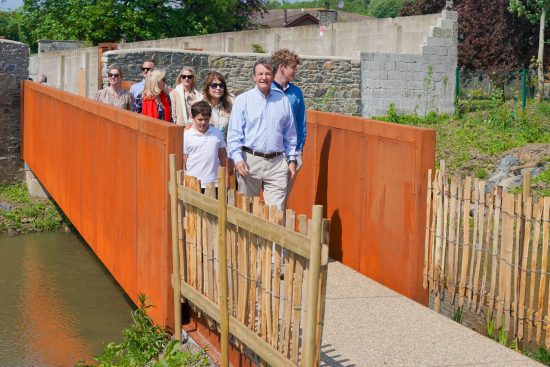
This new bridge, which gives access to the Windmill Park from the Saintfield Community centre crosses a pond, created from a boggy area that was in this area.
VISITOR INFORMATION
Access
Access is available 7 days a week from 9am to 8pm (April– September) and 9am to 3pm (October – March). Please note that pedestrian access is only through the Community Centre site on Belfast Road. There is no public access from Windmill Road.
Maintenance
Please help us look after the park by following the “Leave No Trace” policy.
Dog Friendly
Dogs are permitted in the Park provided they are kept on a lead at all times and their owners ‘scoop the poop’.
Volunteering
We are looking for volunteers to help as heritage guides. If you are interested in the history of the mill or the old railway, please get in touch through our contact page.
Social Media