
HISTORY AND HERITAGE
A Village Shaped by History
History and Heritage of Saintfield
Saintfield has a rich history reflected in its buildings, layout, and landscape. The village has evolved over centuries as a centre of agriculture, trade, and community life.
From its origins as a market village, Saintfield has played an important role in the
wider region. Its historic streetscape and landmarks remain central to its character
today.
Preserving Our Heritage
Saintfield Community Association works in close partnership with the volunteers of Saintfield Heritage Society to preserve and celebrate local heritage.
SAINTFIELD HERITAGE SOCIETY
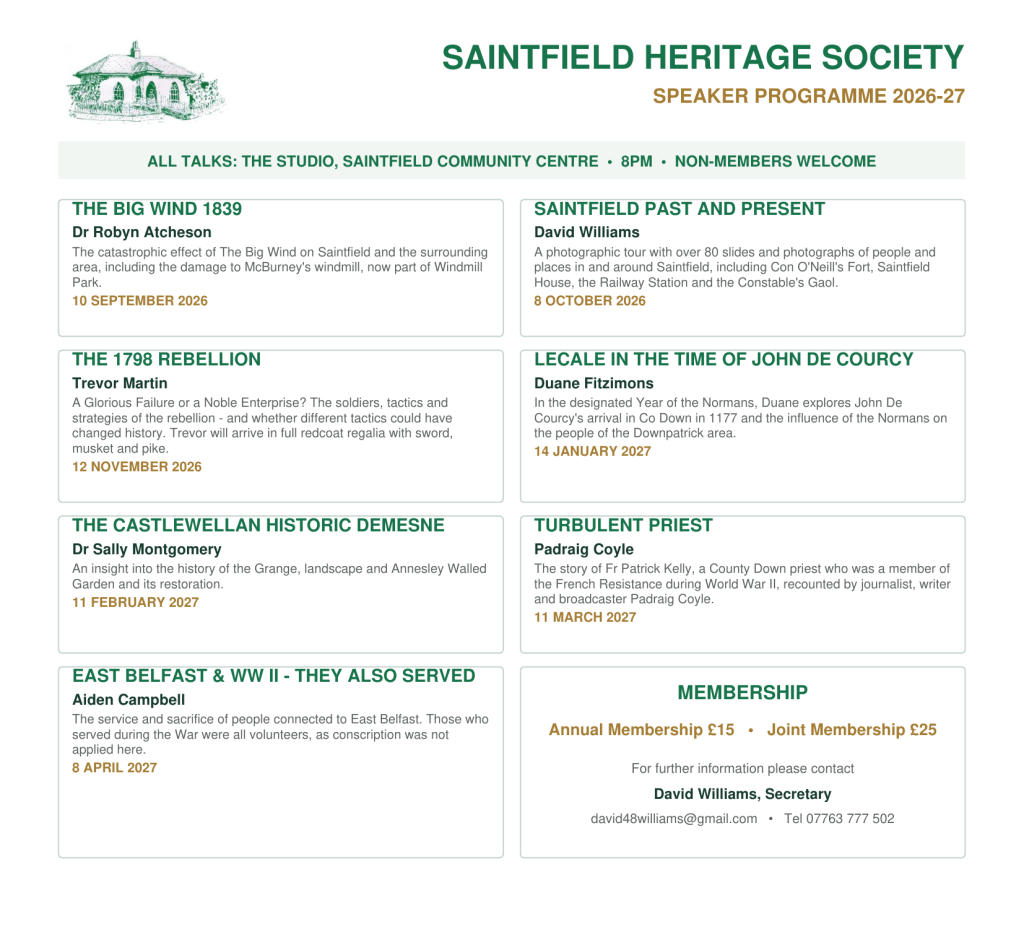
For over 50 years, Saintfield Heritage Society has been helping to uncover, preserve and share the rich heritage of Saintfield and the surrounding district.
The Society was founded in 1974 following the hugely successful Anderson Lectures, a series of local history talks which sparked strong community interest in Saintfield’s past. Guided by local historian Cecil Patterson and a group of committed local people, the Society was created to ensure that the stories, traditions and heritage of the area would continue to be explored, recorded and enjoyed.
Today, the Society remains a vibrant part of community life — bringing together people with a shared interest in local history, heritage, folklore, family stories, landscapes, place names and the changing life of our community. Whether you are passionate about history, curious about local characters and buildings, tracing family connections, or simply interested in learning more about the place you call home, Saintfield Heritage Society offers a warm welcome.
The Society hosts a popular programme of talks and events each year, featuring engaging speakers and fascinating subjects from Saintfield and far beyond. Meetings are held on the second Thursday evening of the month between September and April (excluding December), currently in the Woodrow Room of the Parish Church Hall.
Members also enjoy social events including an Annual Dinner and Summer Outing, offering opportunities to explore places of interest, share knowledge and enjoy good company. Over the years, one of the Society’s most valuable contributions has been its much- loved Saintfield Heritage book series. Since the first volume was published in 1982, these books have brought together local memories, photographs, research, personal stories and historical articles — creating an extraordinary record of Saintfield’s people, places and heritage for future generations.
At its heart, Saintfield Heritage Society is about more than history. It is about community memory, shared identity and keeping alive the stories that connect us to one another and to this special place. New members and visitors are always welcome.
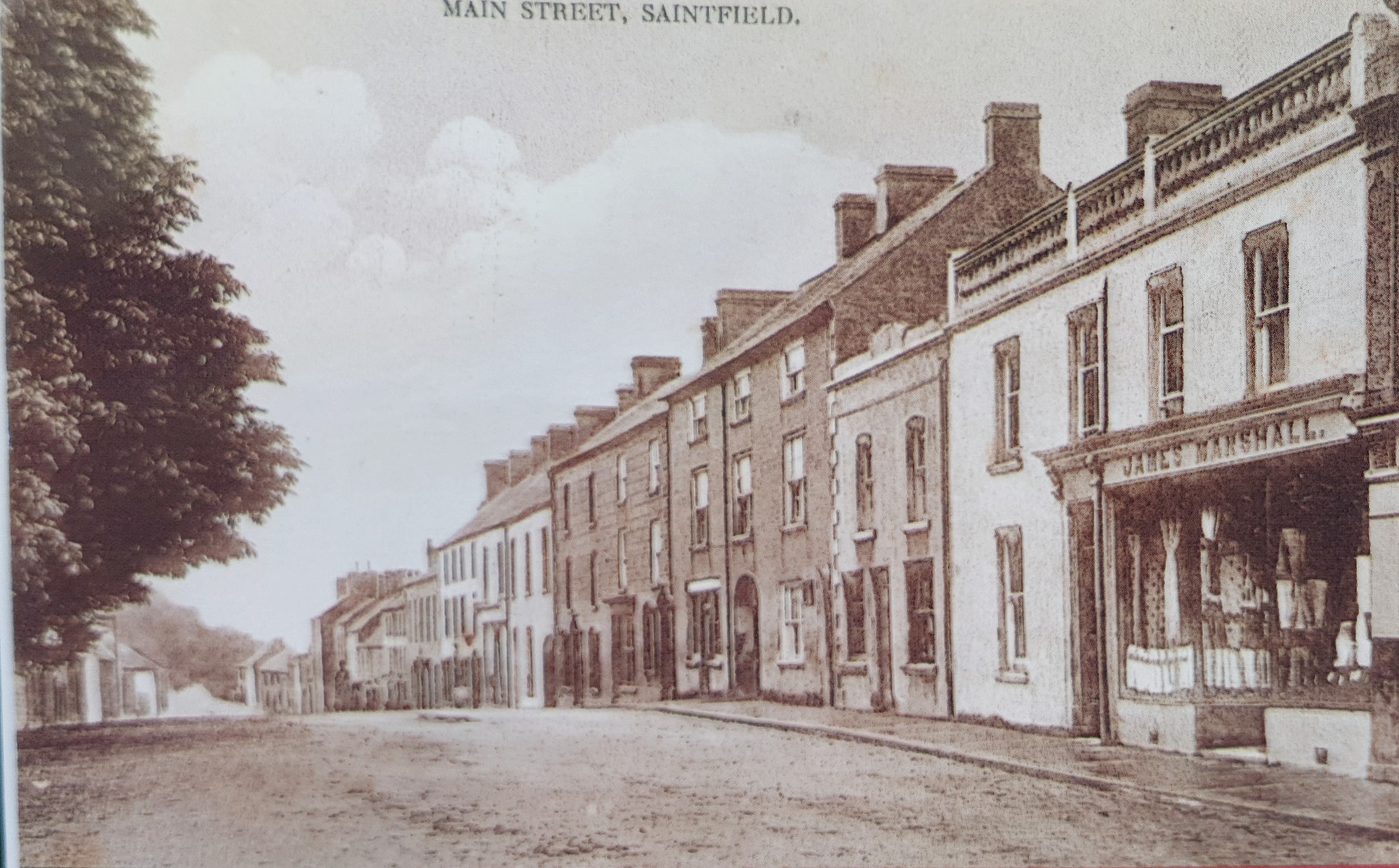
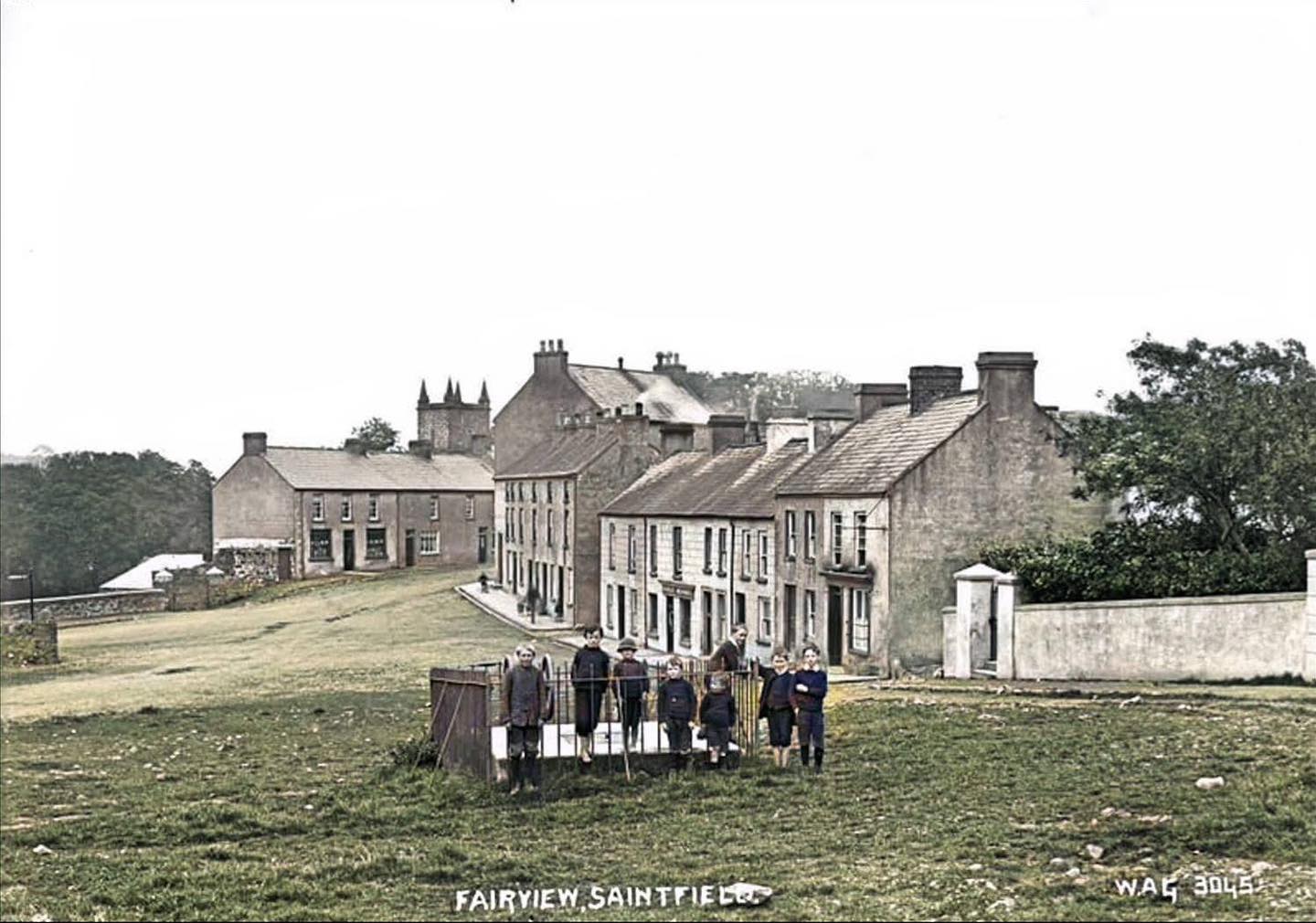
- The Main Street, Saintfield
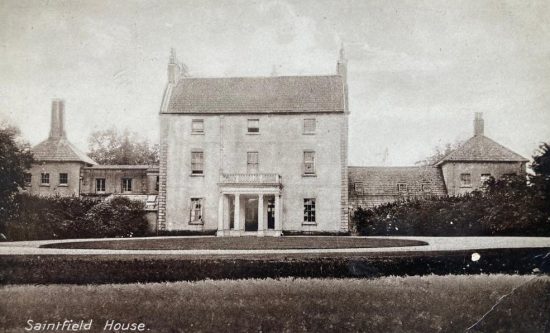
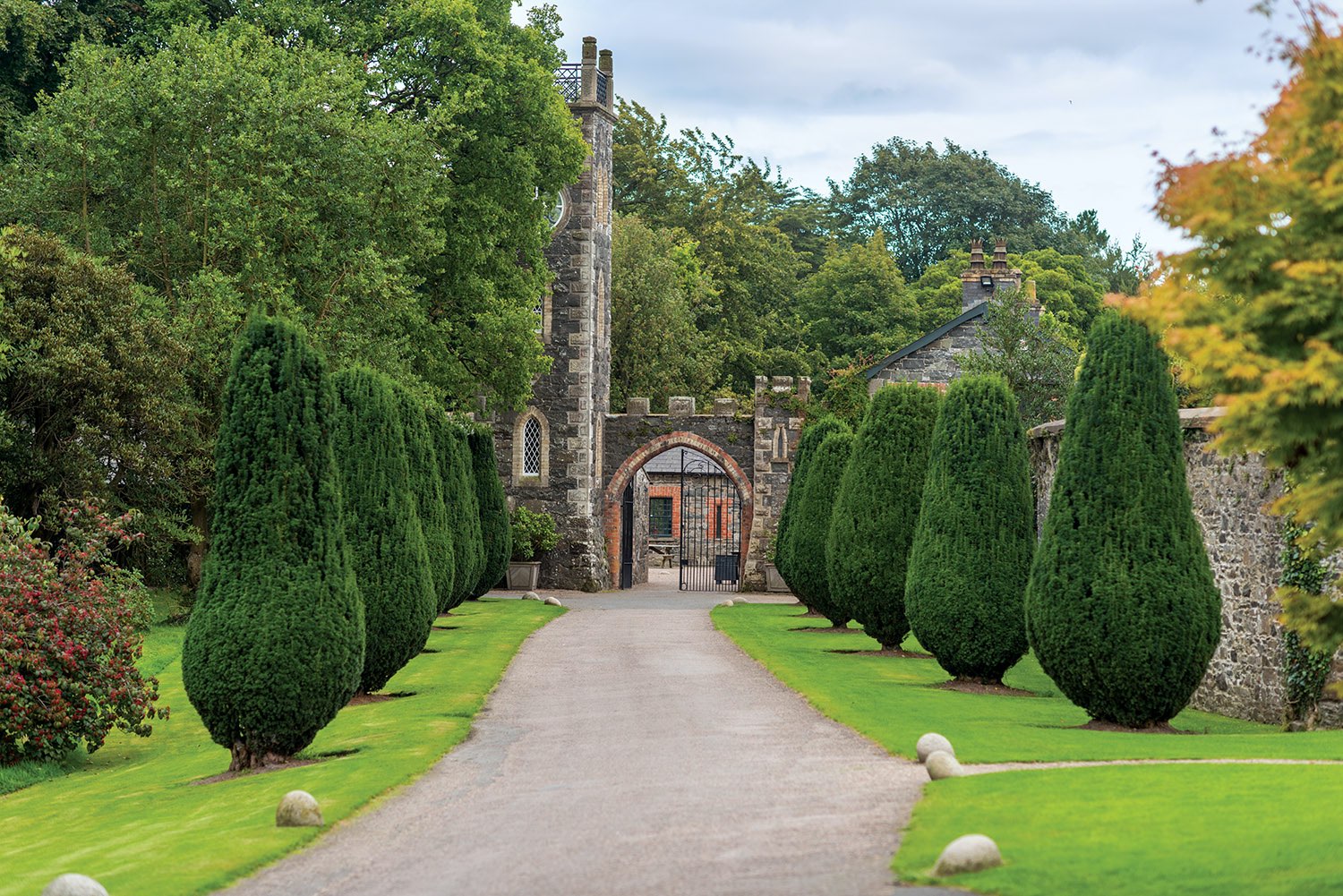
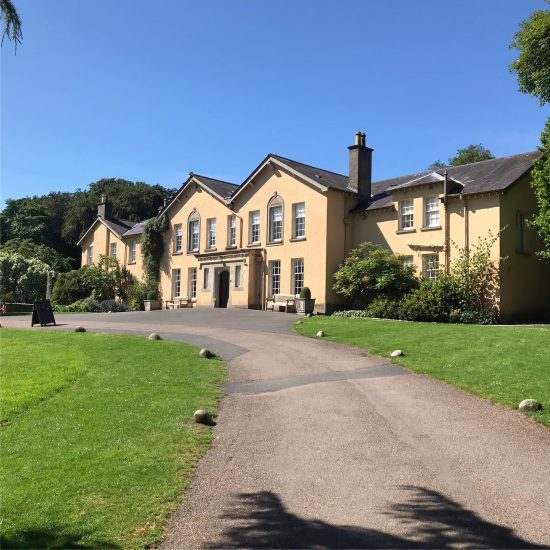
- Saintfield House, Saintfield
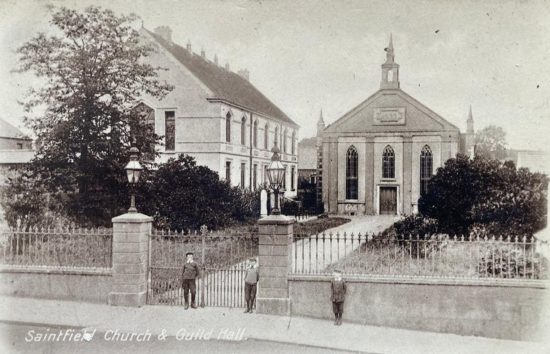
- Saintfield Parish Church and Guild Hall
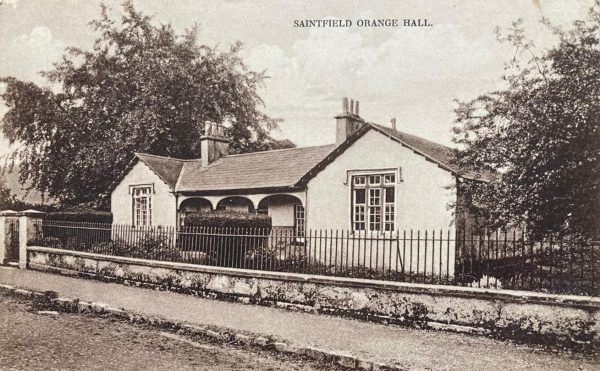
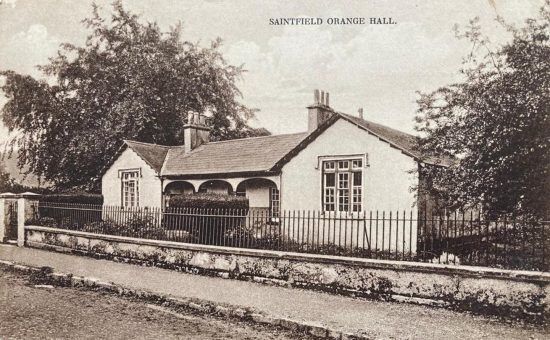
- Saintfield Orange Hall
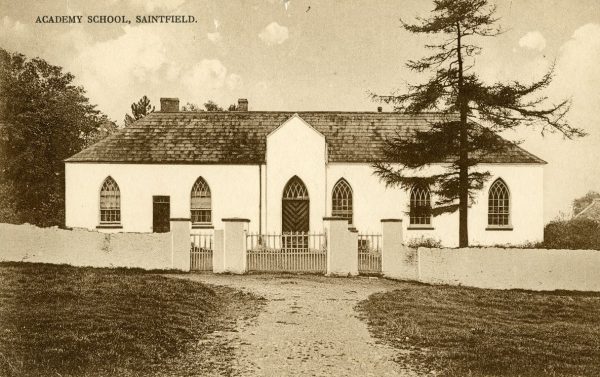
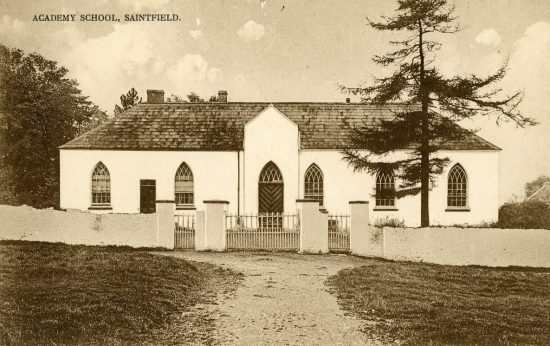
- Saintfield Academy School
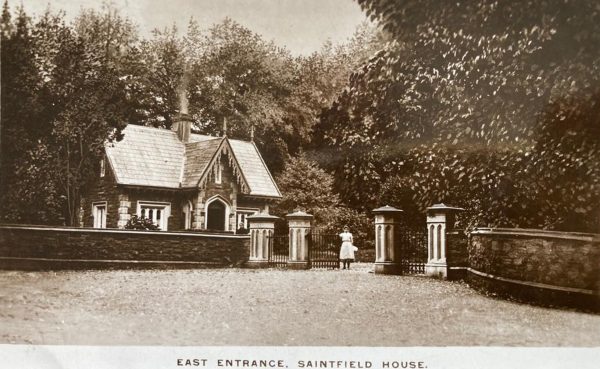
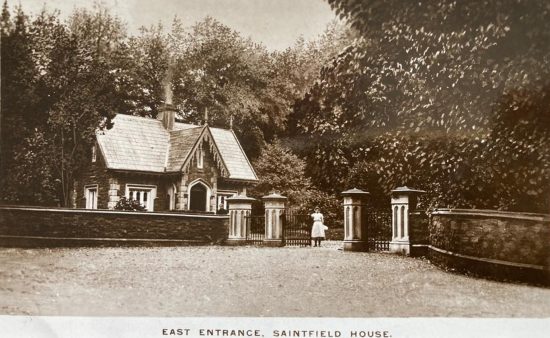
- East Entrance to Saintfield House
The village has evolved over centuries as a centre of agriculture, trade, and community life.
Saintfield — A Village Rooted in Time
Saintfield is a village shaped by centuries of history — from early settlement and market village growth to pivotal events that helped define local identity and community spirit. Its heritage is reflected in the built environment, in community memory, and in the traditions that continue to enrich village life today.
Origins of the Village
The area now called Saintfield was historically recorded under names derived from Irish — Tamhnaigh Naomh, meaning “field of saints” — suggesting ancient Celtic origins and deep cultural roots.
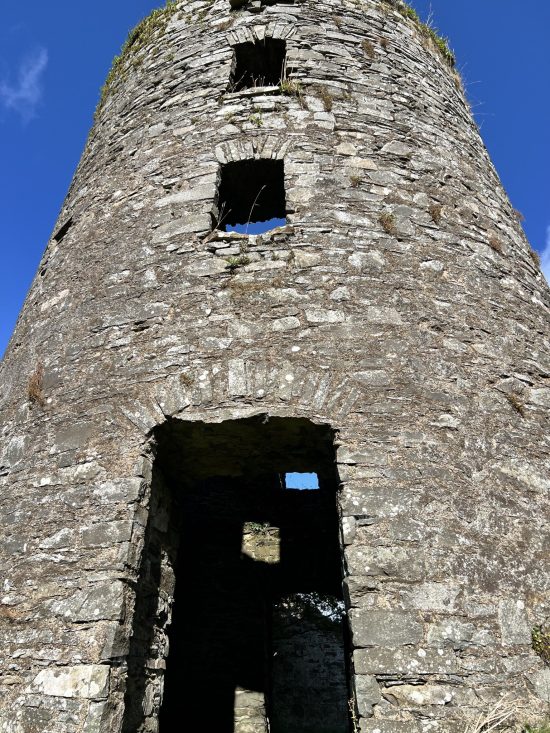
In the early 17th century, following the Plantation of Ulster, Scottish and English settlers arrived in the area, and settlement began to take shape. By 1712, Major General Nicholas Price had established the foundations of the village we recognise today, encouraging linen manufacturers, tradespeople, and agriculture to flourish. Markets and fairs became central to village life, and the remains of corn, flour, and flax mills — once vital to the local economy — are a reminder of Saintfield’s industrial past.
Churches and Early Community Life
As Saintfield grew, so too did its religious and social infrastructure.
The Church of Ireland parish church was rebuilt in 1776, and in 1777 the First Presbyterian Church was constructed, reflecting the diversity of worship and community life in the era.
A Roman Catholic chapel followed in 1787, and later (in 1965) a larger Romanesque style church — Mary, Mother of the Church — was opened to serve the growing Catholic community. These buildings still stand as architectural and cultural landmarks, anchoring Saintfield’s spiritual heritage.
1798 and the United Irishmen
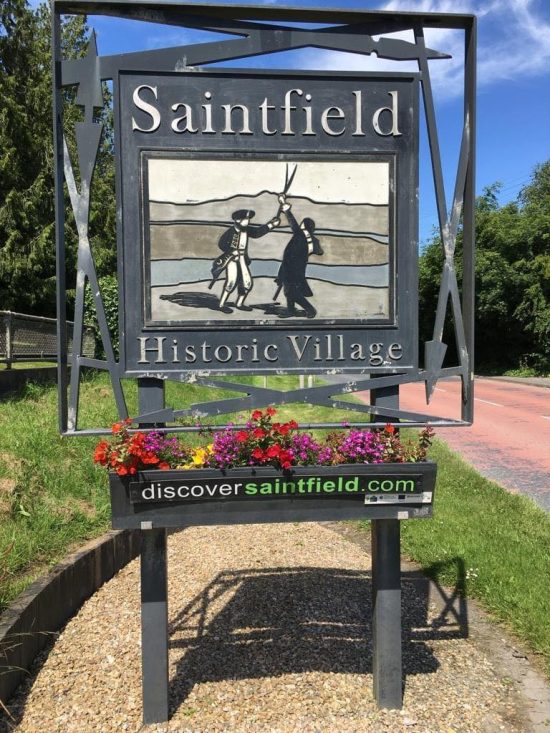
Saintfield’s heritage is closely linked to one of Ireland’s most significant uprisings — the Irish Rebellion of 1798. In 1792, the Presbyterian minister Thomas Ledlie Birch led a local branch of the Society of United Irishmen, a movement that sought parliamentary reform and collective rights for all Irish people regardless of religion.
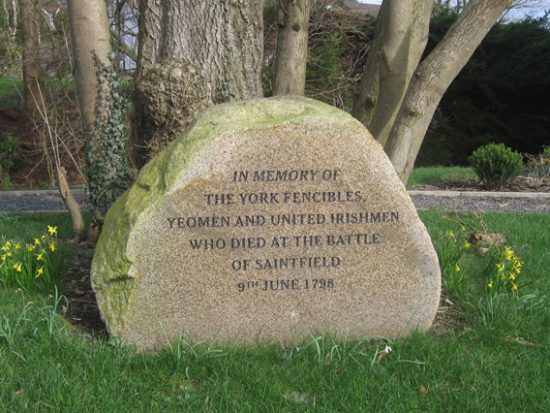
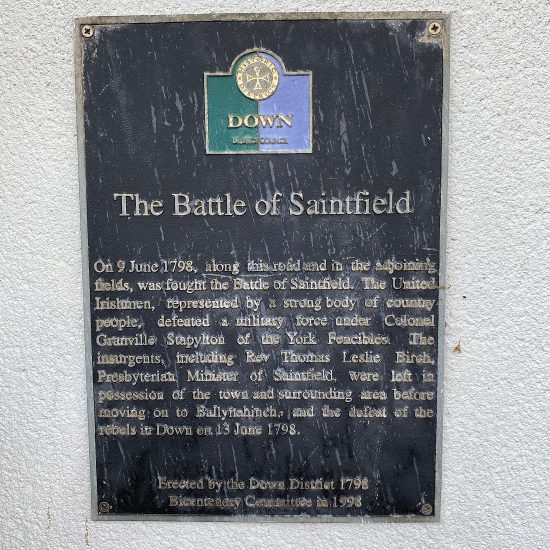
On 9 June 1798, the Battle of Saintfield took place, marking a key early engagement in the Rebellion. United Irishmen ambushed government troops, resulting in one of the conflict’s fiercest local confrontations. Headstones commemorating those who fell can still be seen near the First Presbyterian Church graveyard today.
Growth, Change, and Resilience
After the turmoil of the Rebellion, Saintfield was rebuilt and continued as a busy market village.
New buildings — including inns, markets, and almshouses — sprang up, and village life adapted to the shifting economic and social landscape.
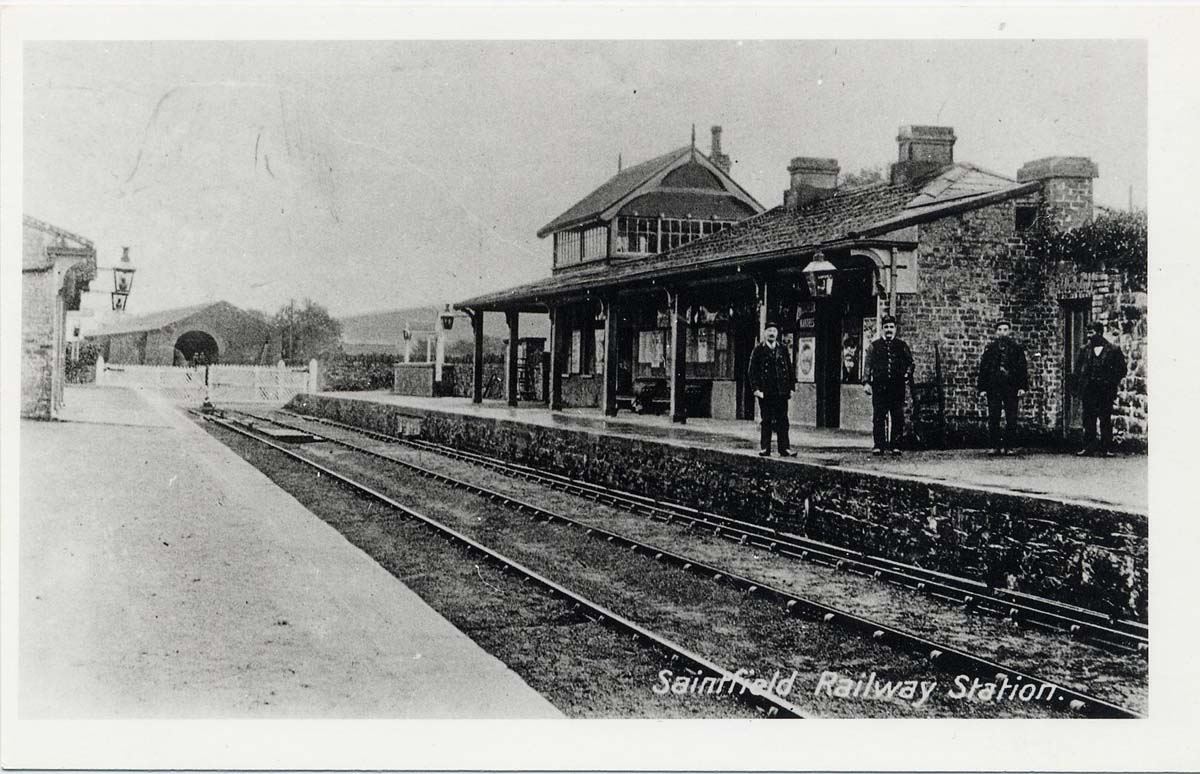
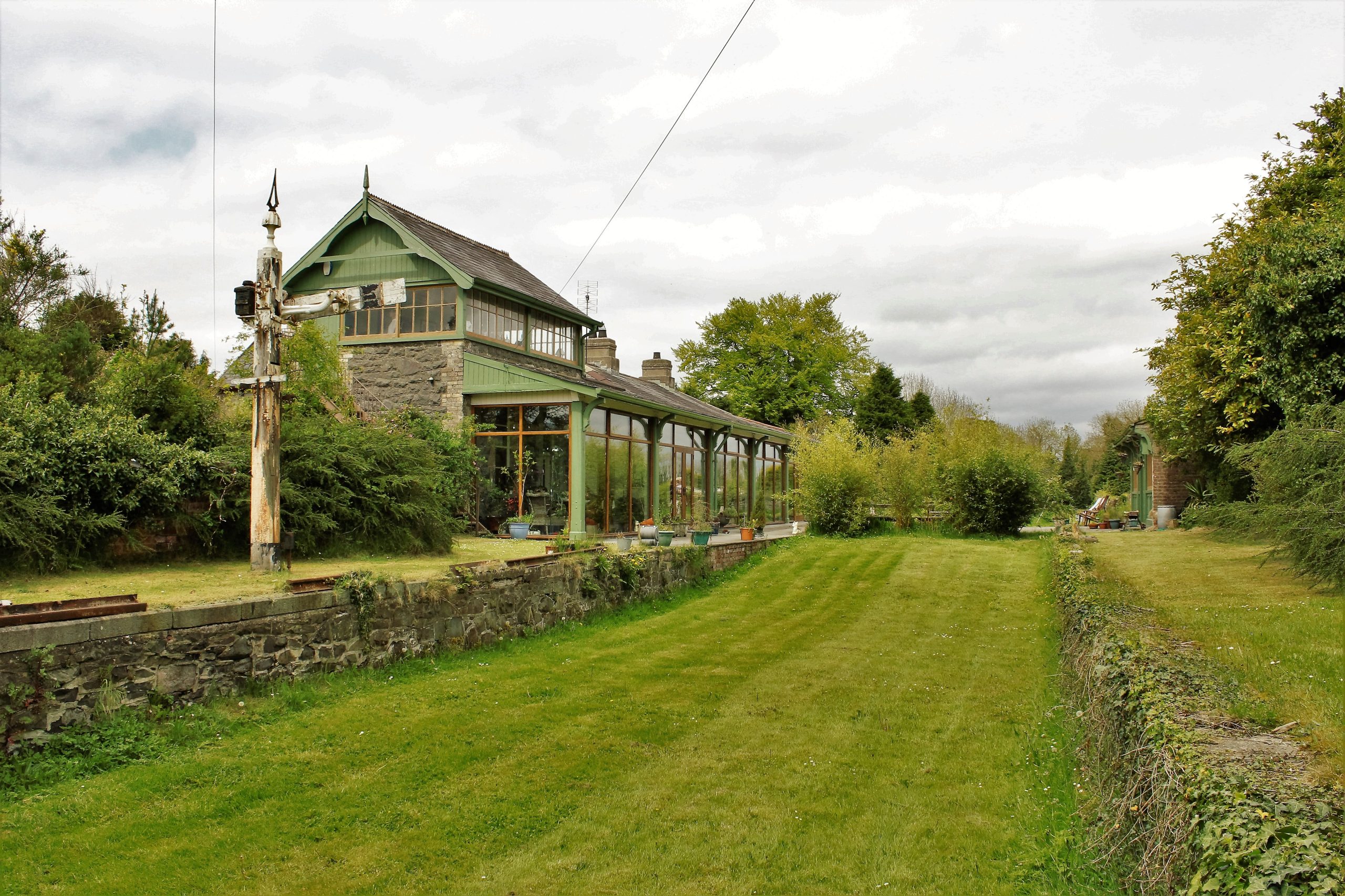
The arrival (and eventual closure) of the Belfast and County Down Railway station — operating from 1858 to 1950 — connected Saintfield more closely to Belfast and surrounding towns before transport patterns changed in the mid-20th century.
Conservation and Built Heritage
Recognising its architectural and historic value, much of Saintfield’s village centre was designated a Conservation Area in 1997.
This protection helps ensure that the unique character of its traditional buildings, streetscape, and historic layout is preserved for future generations.
Today, these historic structures contribute to the village’s sense of place — from elegant stone façades on Main Street to the distinctive silhouettes of longstanding churches and industrial remnants.
Heritage in Community Life
Heritage in Saintfield isn’t just found in buildings and old documents — it’s present in the stories shared by residents, the work of local groups like the Saintfield Heritage Society, and in regular community events that celebrate history and identity.
The village’s history is kept alive through:
*Publications documenting local people and events
*Heritage talks and programmes offered by volunteer societies
*Plaques, memorials, and place names rooted in past events
*Community memory passed between generations
Walking Heritage and Interpretation
Saintfield is rich with stories waiting to be discovered — from historic churches and graves dating back centuries to paths and spaces shaped by centuries of daily life. Whether you enjoy exploring:
*Historic buildings
*Places connected to the 1798 Rebellion
*Remnants of early industry
*Landscapes shaped by generations of village life …
Saintfield offers a heritage experience that is welcoming, layered, and meaningful to people of all ages.
Preserving the Past for the Future
Saintfield’s heritage is not frozen in time — it is active, cared for, and woven into contemporary life. Through local organisations, including Saintfield Community Association and the Heritage Society, the village works to preserve its history, share it with others, and make it a living part of community identity and pride.
Significant Figures in Saintfield's History
Thomas Ledlie Birch
Thomas Ledlie Birch was the Presbyterian Minister in Saintfield at the time of the United Irishmen. He formed the Saintfield United Society of Irishmen in 1793 and was active in the preparations for the 1798 rebellion.
The late Aiken McClelland, a noted local historian, researched and wrote what is probably the definitive pamphlet on the life of Thomas Ledlie Birch and his part in the 1798 rebellion in Saintfield. This pamphlet was published by the Belfast Natural History and Philosophical Society in its sessions between 1961 and 1964.
The pamphlet is published here with the kind permission of Aiken McClelland’s family.
Francis Hutcheson
Francis Hutcheson was born in the Manse of Saintfield Presbyterian Church, at Drumalig, in 1694. He is probably the person from Saintfield who has had most impact on the world, through his philosophical writings in the eighteenth century. These were highly regarded by the founders of the United States of America and his ideas were incorporated into the Virgina Bill of Rights which was the forerunner of the American Constitution.
A list of books by and about Hutcheson can be seen by clicking the link below. One of Hutcheson’s propositions was that people did not have to suffer poor government. This was very controversial in the times when monarchs were believed to be anointed by God. It gave permission, in turn, for the American War of Independence, the French Revolution and the Society of United Irishmen.
The following article was written by Mr Philip Orr, a local historian and expert on Francis Hutcheson. It was published in the Down Survey in the year 2000 by the Down County Museum.
William Spratt
William Spratt worked as a clock and watch maker in Saintfield between 1788 and 1846. He made notes of events that seemed important to him during these nearly sixty years, which he called “The Annals of Saintfield” Fifty copies of these were privately printed in 1923.
History Of Saintfield And District
The late Aiken McClelland was the Schoolmaster at Carricknaveagh Primary School during the 1950s and early 60s. He was a keen local historian and researched and wrote many articles about Saintfield and its surrounding area during this time. He became the first librarian at the Ulster Folk and Transport Museum when it opened.
The paper below was based on a lecture he gave in Saintfield on 8th October, 1971 and is given here with the kind permission of his family.
Saintfield my Saintfield
Rodgers Dickie grew up in Saintfield between the two World Wars. He wrote “An illustrated walk down memory lane” about his memories of Saintfield and called it “Saintfield my Saintfield”. Many of the illustrations show scenes of Saintfield that no longer exist. Rodgers died in 2010 and his widow, Irene Dickie, has given permission for his memoirs to be published on this website. As they amount to 100 pages they will be added in instalments. Click below for the first instalment.
Ordinance Survey Memoirs of Ireland - Parishes of County Down 1
These pages from Volume 7 of the Ordnance Survey Memoirs of Ireland are reprinted with the approval of The Royal Irish Academy Library. They are a commentary on Saintfield and its surrounding area made by Messrs Tait and Williams in 1837.
They are taken from the 1991 reprint made by The Institute of Irish Studies of 1991, edited by Angelique Day and Patrick McWilliams.